Finishing physical therapy is a major accomplishment. You put in the work, rebuilt your strength, and restored your mobility. But for athletes in Torrance and the South Bay, discharge day is not the finish line — it is a pivotal milestone on a longer journey toward peak performance.
At The Movement Schopp, the focus extends well beyond rehab. Whether you are a CrossFit athlete, runner, golfer, or lifter, this guide walks you through exactly what comes next and how to keep building on the progress you made.
What Discharge from Physical Therapy Actually Means
Discharge means you have met your rehab goals and are ready to manage your body more independently. It is a green light to return to training on a stronger, more resilient foundation — not a signal to stop paying attention to how you move and feel.
Before you leave, your physical therapist will provide a refined home exercise program designed to maintain and advance the gains you made in strength, mobility, and movement quality. Think of it as your blueprint for what comes next.

Maintaining Momentum After PT
Stick to Your Home Exercise Program
Your home exercise program is one of the most important tools you have after discharge. Consistently performing these targeted movements supports long-term injury prevention, keeps your mobility sharp, and continues building the strength your PT sessions started.
Skipping it — even for a few weeks — can allow the compensations and weaknesses that led to your injury to creep back in.
Apply Progressive Overload Principles
Carry the principles you learned in therapy into your training. Proper form, controlled movement, and progressive overload are not just rehab concepts — they are the foundation of smart, sustainable athletic development.
Whether you are returning to CrossFit WODs, barbell lifts, running, or golf, applying these principles fuels continuous improvement rather than stalling out or risking re-injury.
Listen to Your Body
Learning to distinguish between normal training soreness and early warning signs of overexertion is a skill worth developing. Your body provides constant feedback. Paying attention to it keeps setbacks rare and your training consistent.
Return to Sport: More Than Just Feeling Ready
Feeling good is important, but objective data confirms you are truly prepared for the demands of full competition. At The Movement Schopp, the return-to-sport process is built around measurable outcomes, not guesswork.
Performance Testing Tools
The clinic uses a range of return-to-sport testing tools to assess readiness with precision:
- VALD force plate testing to identify strength asymmetries and measure power output
- Isokinetic and dynamometer testing for precise strength and endurance measurements
- Running gait analysis and running form assessments for athletes returning to distance or speed work
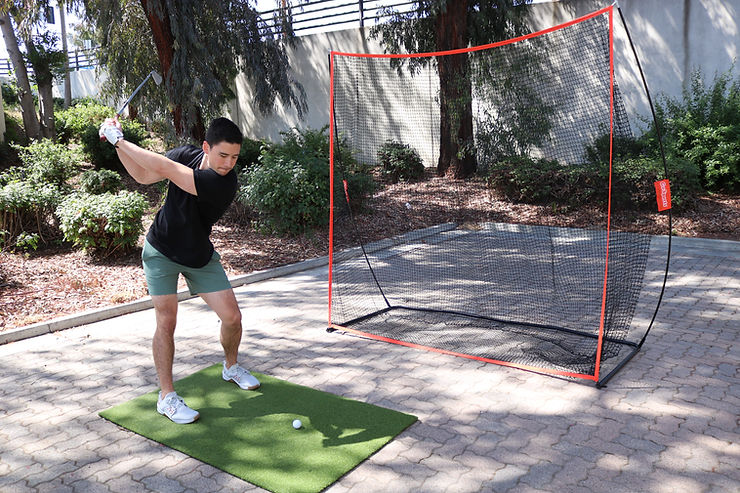
- Titleist Performance Institute (TPI) testing for golfers evaluating rotational mechanics and swing efficiency
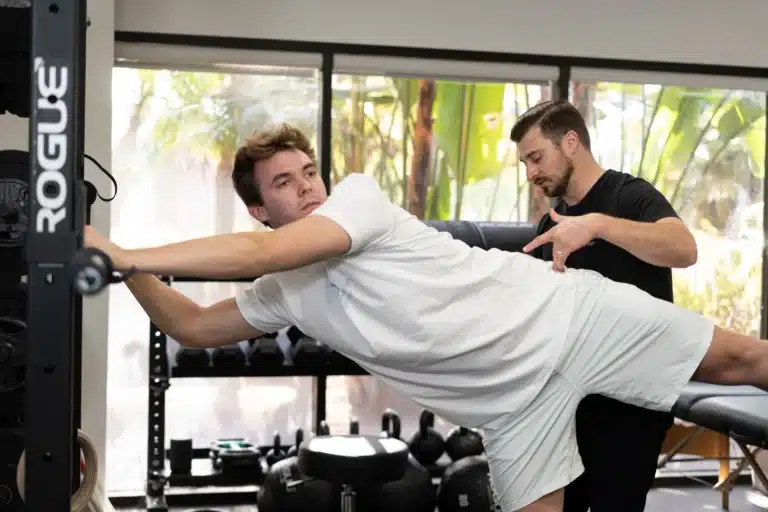
- Functional movement assessments and movement screens to evaluate overall movement quality
These protocols are designed to mirror the specific demands of your sport — whether that is explosive CrossFit movement, repetitive running mechanics, or rotational power in a golf swing.
From Rehab to Proactive Performance
The Value of Injury Prevention
One of the most important shifts after finishing PT is moving from a reactive mindset to a proactive one. Rather than waiting for an injury to sideline you again, prehab and injury prevention work identifies and addresses weak links before they become problems.
This is especially valuable during high-volume training blocks, pre-season preparation, or when ramping up mileage or intensity.
Performance PT Treatments That Support Ongoing Training
The Movement Schopp offers a range of treatments and modalities that support recovery and performance between hard training sessions:
- Blood Flow Restriction (BFR) training for building strength with lower loads
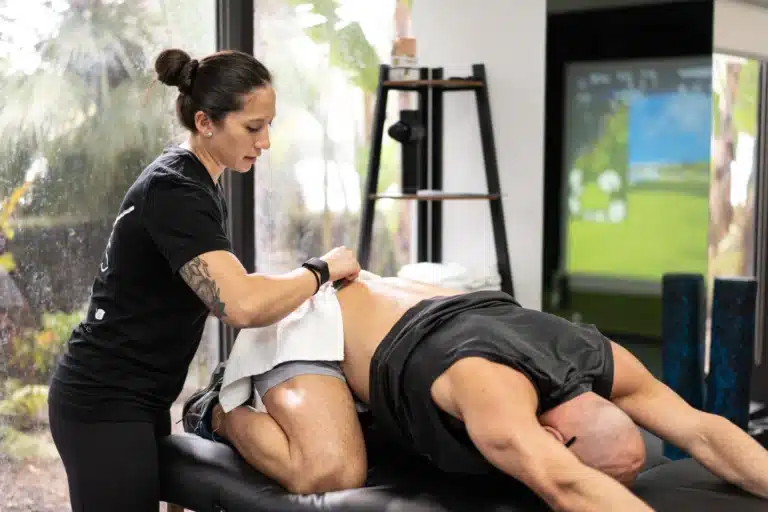
- Cupping and myofascial release for soft tissue recovery
- IASTM and Graston technique to address tissue restrictions
- Normatec compression therapy to support circulation and recovery
- Neuromuscular re-education to reinforce efficient movement patterns
Regular performance-focused sessions help you continuously refine technique, build strength, and improve overall athleticism throughout the year.
Keeping The Movement Schopp in Your Long-Term Routine
Schedule Tune-Up Visits
Do not wait for a major setback to seek care. Minor aches, nagging tightness, or a performance plateau are all valid reasons to schedule a tune-up. Catching small issues early keeps them from becoming significant injuries that interrupt your training.
Chase Advanced Performance Goals
Looking to shave time off your run, add distance to your drives, or hit a new CrossFit personal record? Performance physical therapy at The Movement Schopp supports advanced strength building, running gait optimization, and movement refinement to help you reach those goals.
This is not just about staying healthy — it is about performing at a higher level than before your injury.
No Referral Required
The Movement Schopp operates on a direct-access model, meaning you never need a physician referral to schedule a visit. Whether you need a post-discharge check-in, a performance assessment, or a tune-up before a big race or competition, access to expert care is straightforward.
Ready to keep building on the progress you made in PT? Schedule a performance assessment or tune-up visit with the physical therapists at The Movement Schopp and stay at the top of your game.